CMAT cardiometabolic test
Circulation, small nerves and stress state: the CMAT cardiometabolic test measures the terrain an injury lands on.
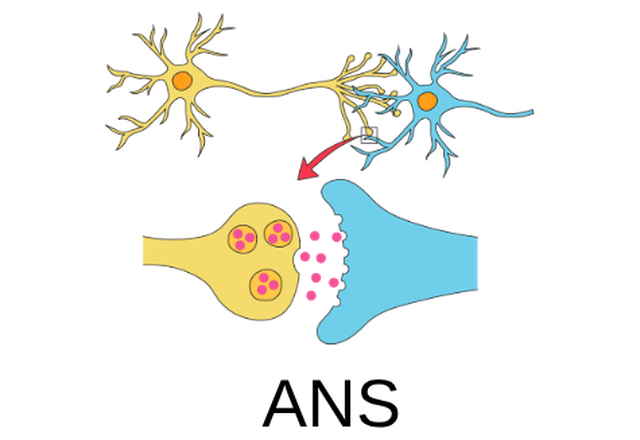
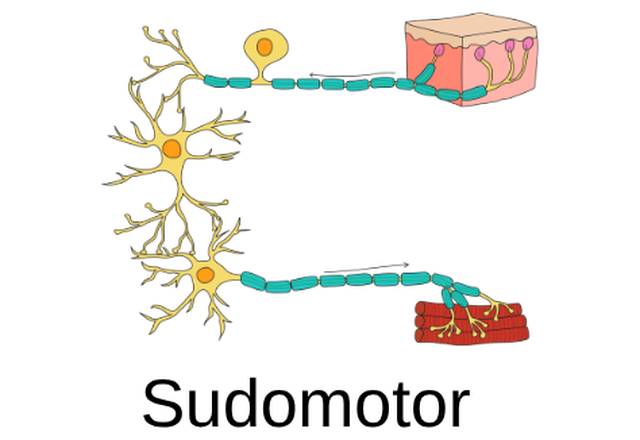
The CMAT cardiometabolic test (CardioMetabolic Assessment Test) is a group of short Measura measurements, none of them painful, covering circulation, the small nerve fibers, heart-rate patterns and body makeup, all in one sitting. It is ordered to find quiet reasons a recovery drags: reduced blood supply to the legs, damaged sudomotor (sweat-gland) nerve fibers, and an autonomic system that will not leave its fight-or-flight setting. It measures terrain. It does not date an injury.

What the patient does
Blood pressure cuffs go on the arms and ankles, sensors clip to the fingers, and the patient rests both hands and both feet on metal sensor plates. Nothing pierces the skin. Plan on 30 to 45 minutes. Clothes should leave the arms and ankles easy to reach, and caffeine and nicotine should be avoided for a few hours beforehand. A pacemaker or a pregnancy should be mentioned first.
Why terrain belongs in an injury file
The same force does different damage to different bodies. Poor circulation, small-fiber nerve damage and a stress-locked nervous system all slow repair and keep pain going. When CMAT finds them, it helps explain why one patient’s recovery runs long. That is the medicine underneath the eggshell plaintiff rule.
It cuts the other way too. Many of these findings take years to develop, so a positive result usually describes a condition that was there before the injury. That is a fact about apportionment, not a reason to dismiss the patient’s pain, and the report should say which it is addressing.
What the record should contain
- Confirmation that caffeine and nicotine were avoided, since both can shift heart and blood-pressure readings.
- Each component’s result, not only a summary.
- The date relative to the injury.
- How the physician used the result in the plan.
WHAT THE RECORD SHOULD SHOW
- Preparation confirmed: no caffeine or nicotine beforehand.
- Each component reported separately.
- The result tied to a decision in the plan.
Teach-back: The patient explains how to prepare for the test, and the note records it.
Common questions
Can CMAT show when nerve damage started?
No. It shows what is present now. Pre-injury terrain is discussed on patient terrain.
How does CMAT relate to blood work?
They complement each other: CMAT measures function, blood work measures chemistry. See inflammatory and metabolic markers.
Why would a defense reviewer care about CMAT?
Because pre-existing terrain bears on apportionment, as causation and apportionment explains. The same result helps a plaintiff reviewer explain a slow recovery.
Related reading
- Physician-directed physiotherapy: what the record shows
- RQ resting metabolic rate test
- Patient terrain
- The eggshell plaintiff
Ask what the test result can and cannot establish
Plaintiff firms, defense firms, adjusters and carriers can send the orders and visit records for review on identical terms. Patients can call about an evaluation.
12166 Natural Bridge Rd
St. Louis, MO 63044
Monday to Friday, 8:00 a.m. to 5:00 p.m. Nothing on this page is legal advice, and nothing on it is medical advice.